
Visual Drama through Leading Lines

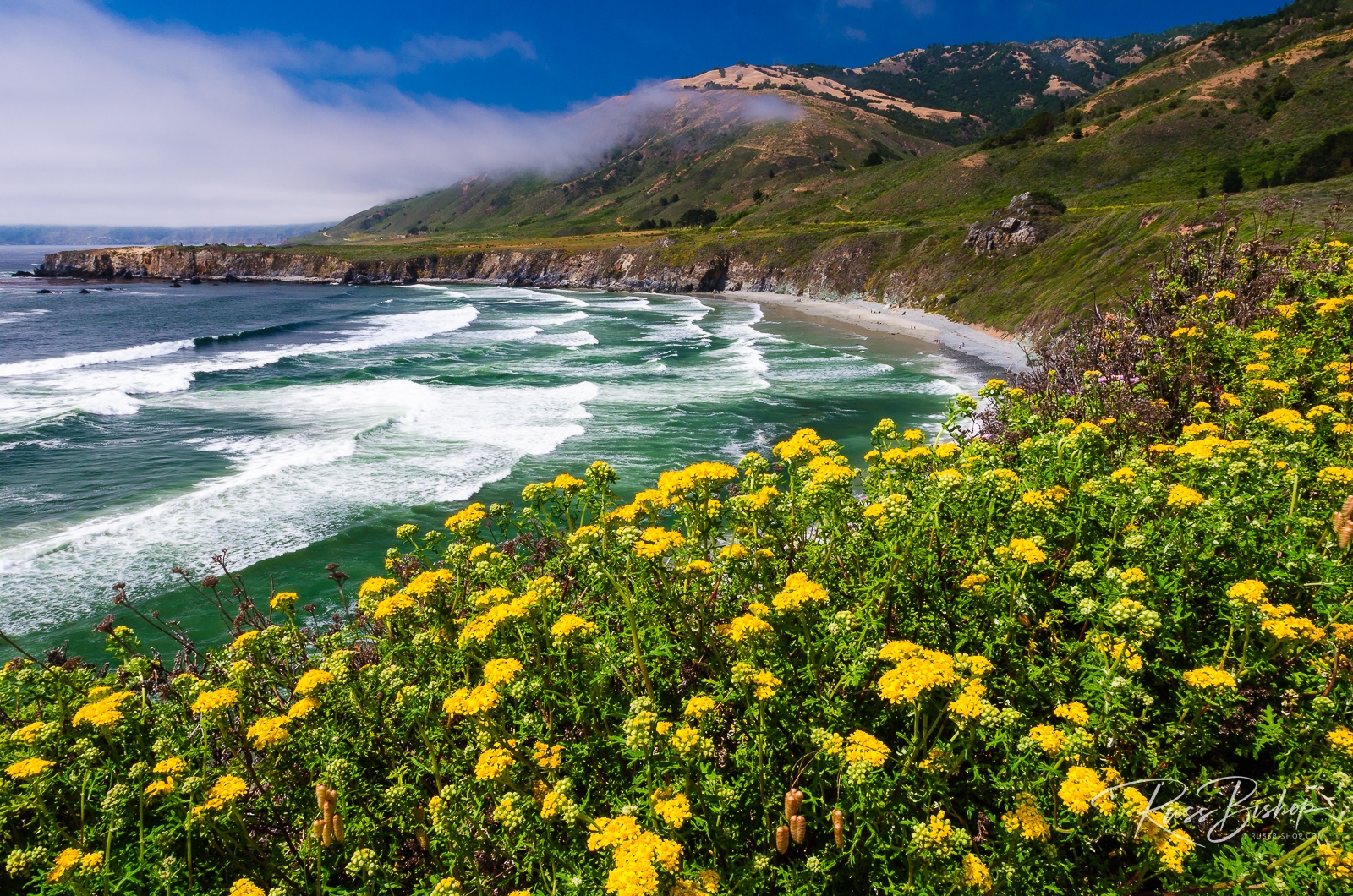
Visual Drama through Leading Lines. Wildflowers above Sand Dollar Beach, Los Padres National Forest, Big Sur, California
Wildflowers above Sand Dollar Beach, Los Padres National Forest, Big Sur, California

There are many ways to create stronger compositions in landscape photography, but one of the easiest and most effective techniques is the use of leading lines. Dynamic lighting and great subject matter are the desired cornerstones of any great composition, but even when these elements are less than exceptional there is still a way to create an emotional connection with your audience. Draw them into the scene with leading lines.

The wide-angle lens (anything 24mm and wider) has numerous benefits for the landscape photographer from incredible depth of field and relatively small size to a viewing angle that really captures the big picture. But all that visual information can be a bit overwhelming without some direction.

Using the rule of thirds and carefully composing to include natural lines such as a shoreline, forest edge, stream, or mountain ridge can lead your viewers into the frame or guide them to a specific part of the image. Diagonal lines in particular create visual tension, which is a sure-fire way to add drama to your images and create an emotional response with your audience.

Next time you’re out photographing the landscape, take a moment before you trip the shutter to make sure the elements within the frame are being used to their best advantage. Think of yourself as a director guiding your audience rather than just a photographer documenting the scene and you’ll be rewarded with stronger, more exciting images.


©Russ Bishop/All Rights Reserved
Go With The Flow

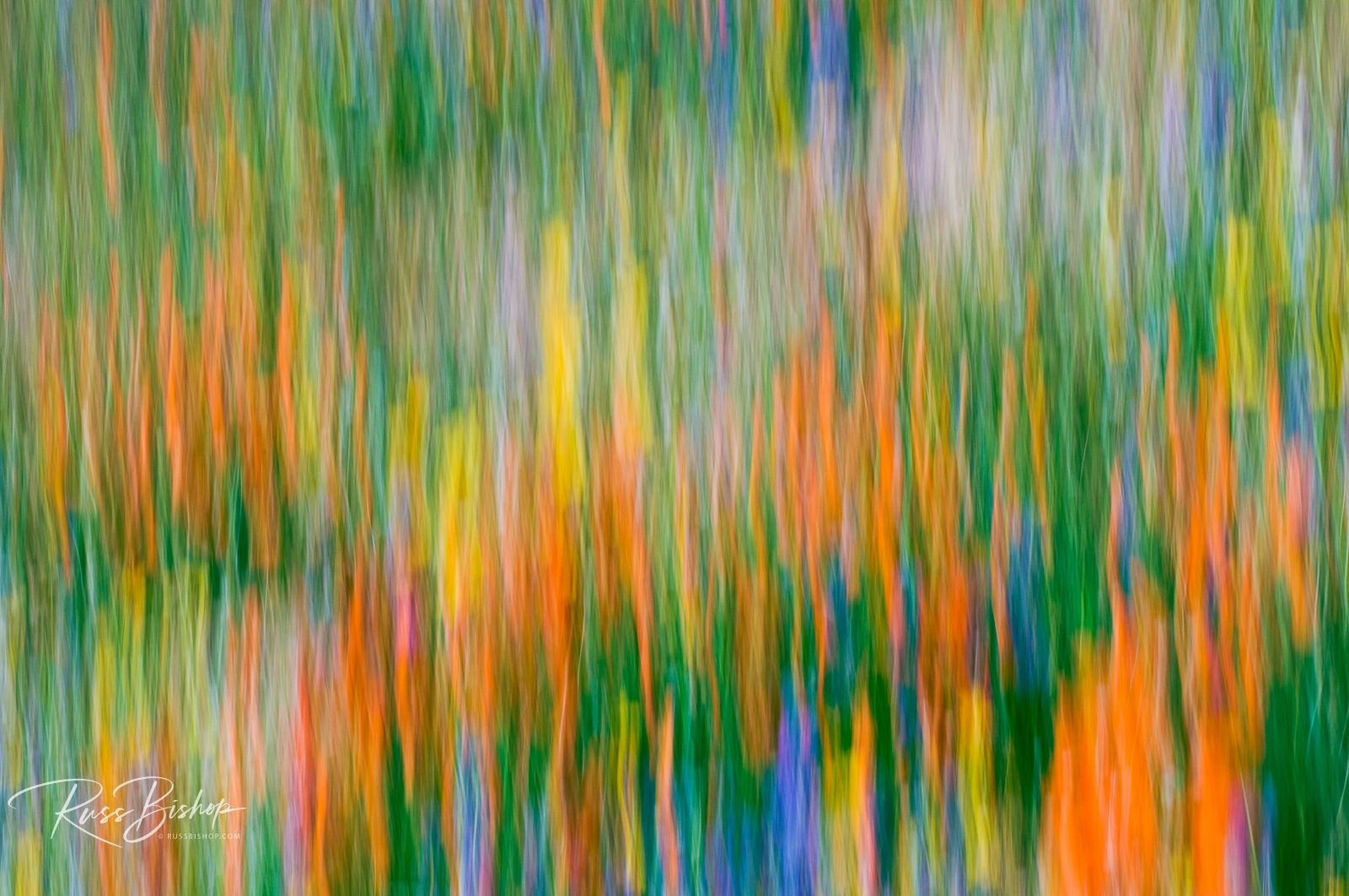
Go With The Flow. Wildflower abstract, Tehachapi Mountains, Angeles National Forest, California
Wildflower abstract, Tehachapi Mountains, Angeles National Forest, California

Previsualization is an often used term in landscape photography – the process of researching a location, determining perspective through lens selection and framing, and forming a solid image in your mind’s eye before ever arriving at a scene or tripping the shutter.  Ansel Adams referred to it often as “the ability to anticipate a finished image before making the exposure”, and it was a favorite expression of other luminaries such as Minor White and Edward Weston.

There is a lot to be said for this approach and it’s certainly the route I take whenever possible. If all goes according to plan, you do your homework, arrive at the predetermined location, setup the shot, then wait for the ideal light and the image falls into place. This technique works quite well much of the time (assuming you’ve done that homework), but there are those moments when mother nature simply won’t cooperate. The golden light has been replaced with drab overcast, the wind is determined to keep every leaf or flower in motion, or the road has been closed by an avalanche and you can’t even get to the desired location. Fear not, it’s happened to everyone.

This is the time to give in and go with the flow. There are still great images to be made, but now you need to throw out those mental notes and let that right brain have a little fun. When the flowers and leaves are blowing make abstracts. If the light is anything but exciting, avoid the sky and look for the soft even lighting illuminating the ground cover. And even if that avalanche has closed the road, this is the perfect time to take a detour and explore someplace you’ve never seen before.

So the next time that great image you’ve envisioned isn’t working out as planned, try an alternate approach and go with the flow.  You might find your masterpiece was there all along just waiting to be discovered.


©Russ Bishop/All Rights Reserved

A Sense of Place

A Sense of Place. Silhouetted palms at sunrise, Anza-Borrego Desert State Park, California USA (Russ Bishop/Russ Bishop Photography)
Palms at sunrise, Anza-Borrego Desert State Park, California

Compelling landscape images stand on their own and connect the viewer with a sense of place or time. They can be displayed alone or in a series to tell a story, but they all have one thing in common. They make a statement about a location that defines its uniqueness.

The use of color or form in a composition can provoke an emotional response. Leading lines draw the viewer into the frame, creating tension that guides your audience towards the important elements you’re presenting. Shutter speed can illustrate the passing of time to create mood. These are all-powerful creative tools that when applied thoughtfully can result in strong imagery.

Another technique is the silhouette, which uses a graphic approach to convey an idea. Any object or scene that is backlit and appears dark against a lighter background will work, but the key is to find a subject with highly defined edges. A diffused yet colorful background like a sunrise or sunset often works best as it compliments the scene and reinforces the message.

Try adding this technique to your visual toolkit to create powerful images that stand on their own and strengthen your visual storytelling.


©Russ Bishop/All Rights Reserved