The Power of Negative Space

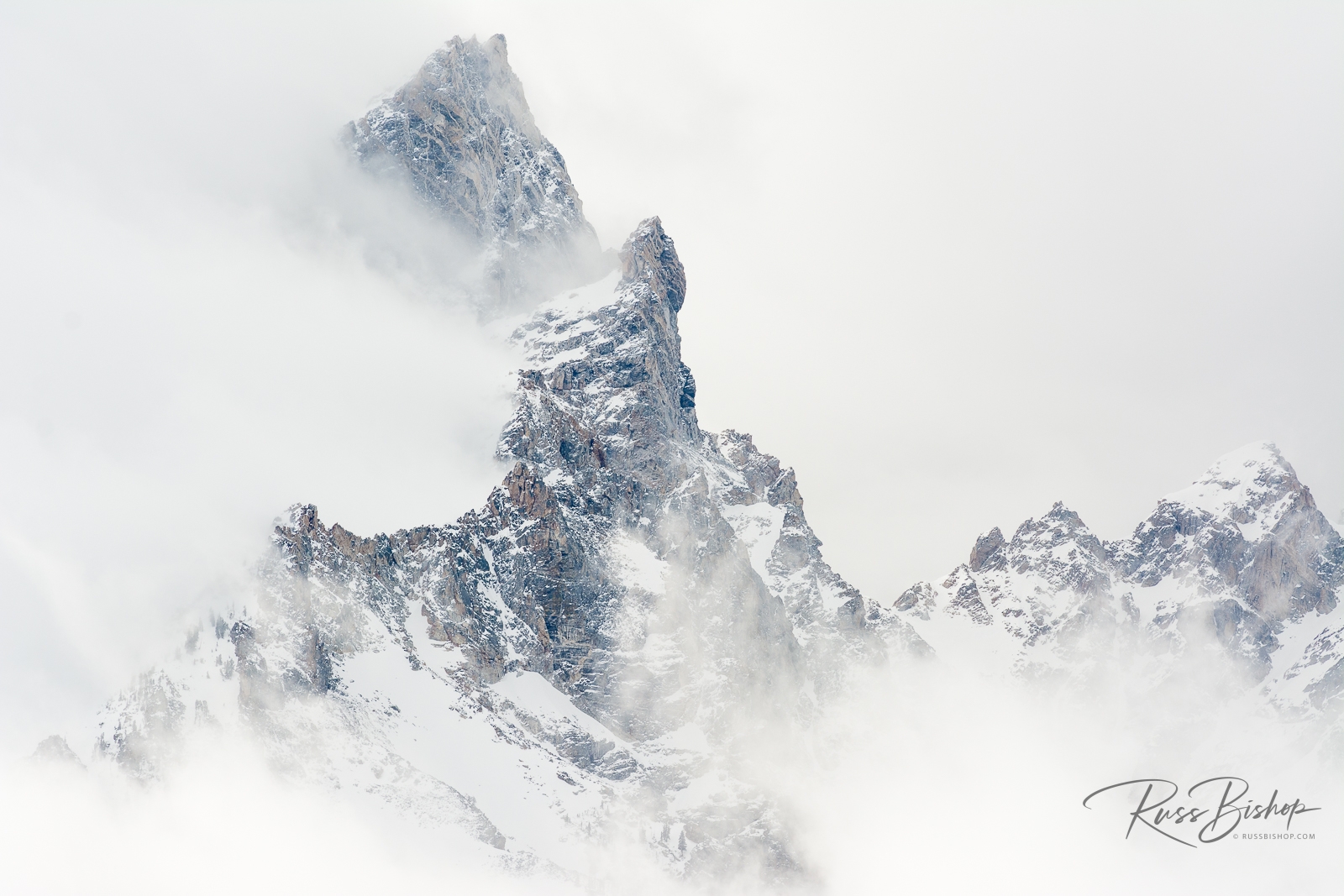
The Power of Negative Space. Clearing winter storm over Teewinot Mountain, Grand Teton National Park, Wyoming
Clearing winter storm over Teewinot Mountain, Grand Teton National Park, Wyoming

The Power of Negative Space. Successful landscape photography is often comprised of several elements coming together in harmonious balance within the frame. This can be quite complex or deceptively simple. Spatial relationships and color are the building blocks used to balance most compositions, and careful lens selection is essential in distilling an image down to its essence.

But sometimes less is more and an effective use of negative space can be a great tool to elicit an equally powerful response. This basic, but often overlooked principle of design, gives the eye a place to rest and increases the appeal of a composition through subtle means. The Japanese word ma is a perfect example. Roughly translated to “the space between two structural parts”, it is best described as a consciousness of place – the simultaneous awareness of form and non-form deriving from an intensification of vision.

The image above was made as a late winter storm was moving out of the Teton Range. By using a medium telephoto and focusing on the predominant white space I was able to isolate the spires and ridges to give the illusion that the mountains were floating in the clouds.

With the right conditions, adding negative space to your visual toolkit can be a simple yet powerful way to create strong images that resonate with your viewers.


©Russ Bishop/All Rights Reserved

The Path Less Traveled

Fresh snow on fall aspens and pines along Bishop Creek, Inyo National Forest, Sierra Nevada Mountains, California USA (Russ Bishop/Russ Bishop Photography)

Fresh snow on fall aspens and pines, Inyo National Forest, California

There’s been an ongoing discussion in the photography world lately about art and originality, that of creating images that are not the photographer’s personal vision so much as an attempt to copy the work of others. In extreme cases some would argue this isn’t art at all, but rather a mechanized form of duplication. The unfortunate result is that many photographers are no longer willing to share information about specific locations, and those photographers involved in the practice are missing the opportunity to show the world their own unique vision.

This trend is ironic given that we’re a country born of rugged individualism, and photography above all is a form of personal expression. But it’s no surprise when we are surrounded by such a lack of creativity in society today – movie remakes of 70’s television shows; advertisements using surprisingly similar images; and politicians repeating the same words as if they are uniquely their own. Perhaps this lack of originality is due to tight deadlines and too little time in our fast-paced world, or simply a fear of the unknown.

Before I head off on a shoot (especially if it’s a location I’ve never been to before) I thoroughly research the area geographically and geologically, and I’ll also review images of the area as a reference point to get a sense of place. But then after immersing myself in the details at home, I use the travel time to clear my head and fine tune my receptors to soak in whatever the location may offer.

Instead of previsualizing, I prefer to see a place through a child’s eye as if I’m the first ever to experience it. I’ll often avoid the obvious viewpoint whenever possible in favor of an angle that combines the key elements of the scene in a fresh, new way. When that’s a challenge, I’ll try a different lens or shutter speed or perhaps just wait for the light or weather to change.

So dare to be different and embrace the unknown! Find your own unique vision in photography and in life – and enjoy the rewards of the path less traveled.


©Russ Bishop/All Rights Reserved

The Art of Seeing

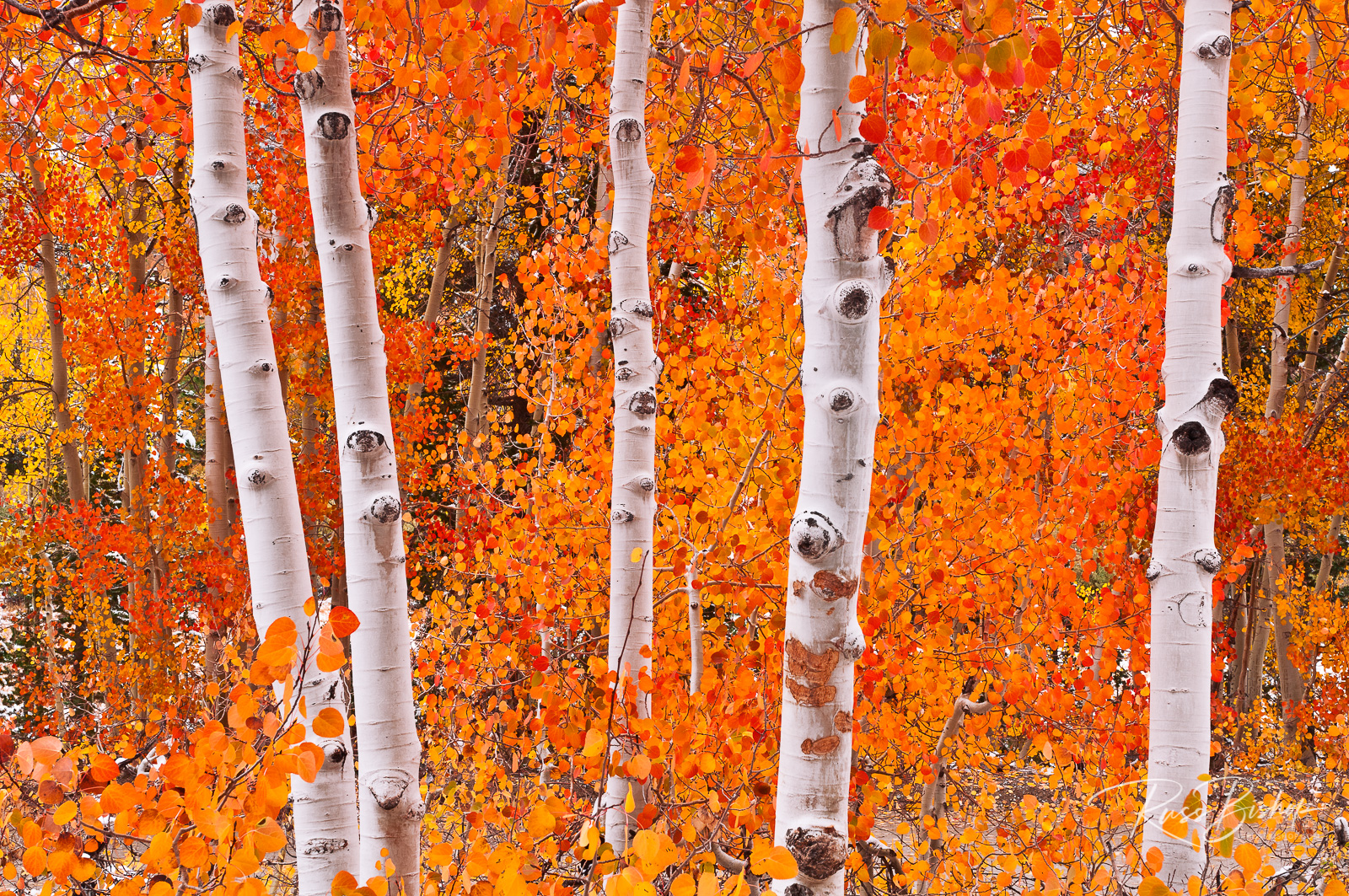
The Art of Seeing. Fresh snow on fall aspens, Inyo National Forest, California
Fresh snow on fall aspens, Inyo National Forest, California

The Art of Seeing. The digital age has opened up a whole new world of creative possibilities for the landscape photographer. From HDR (High Dynamic Range) and stitched panoramas to focus stacking and exposure blending a myriad of options exist. And filters have always been invaluable in controlling and shaping the light in camera just as much in the digital realm as in the days of film.

Yet with all of the tools available it’s easy to lose creative focus in an attempt to include a popular technique or push a filter to its limits. As with the constant temptation to buy the latest camera or software it’s important to remember that the gear or the technique isn’t what makes an image shine, but the vision. That’s the essence of creative photography and yet so often misplaced amid the vast array of today’s technical possibilities.

No matter what the future may bring our most important tool as outdoor photographers will always be our mind’s eye. The equipment in our bag or on our desktop is just a means of helping the viewer connect with what we felt emotionally when we preserved that moment in time.


©Russ Bishop/All Rights Reserved