Tuolumne Meadows in Yosemite High Country

Sunset over Tuolumne Meadows along Budd Creek, Yosemite National Park, California
Sunset over Tuolumne Meadows, Yosemite National Park, California

John Muir referred to the Sierra Nevada Mountains as the Range of Light, and it’s hard to imagine a more fitting moniker. The play of light amid the high peaks, the unique cloud formations along the eastern escarpment, and the painterly sunsets combine in a luminous landscape to stimulate the senses. And though I have many favorites in the range, one location seems to embody the spirit of these mountains like no other – Tuolumne Meadows.

Tuolumne Meadows, in the high country of Yosemite National Park, is a pristine alpine environment of glacial-polished domes, cascading streams and lush meadows under an indigo sky. At nearly 9,000 feet it also has a short summer season between snows with virtually no spring or fall, which makes an annual pilgrimage even more special.

Days here might be spent photographing the landscape, climbing the world-class granite, exploring miles of forest trail, or just lounging by a secluded spot along the river as Muir once did. However you experience Tuolumne, when the daylight fades it’s time to find a clearing in the meadow or scramble up a dome to reflect on the day and enjoy the show as the Sierra magic hour ushers in the night.


©Russ Bishop/All Rights Reserved
Welcome Summer Solstice!

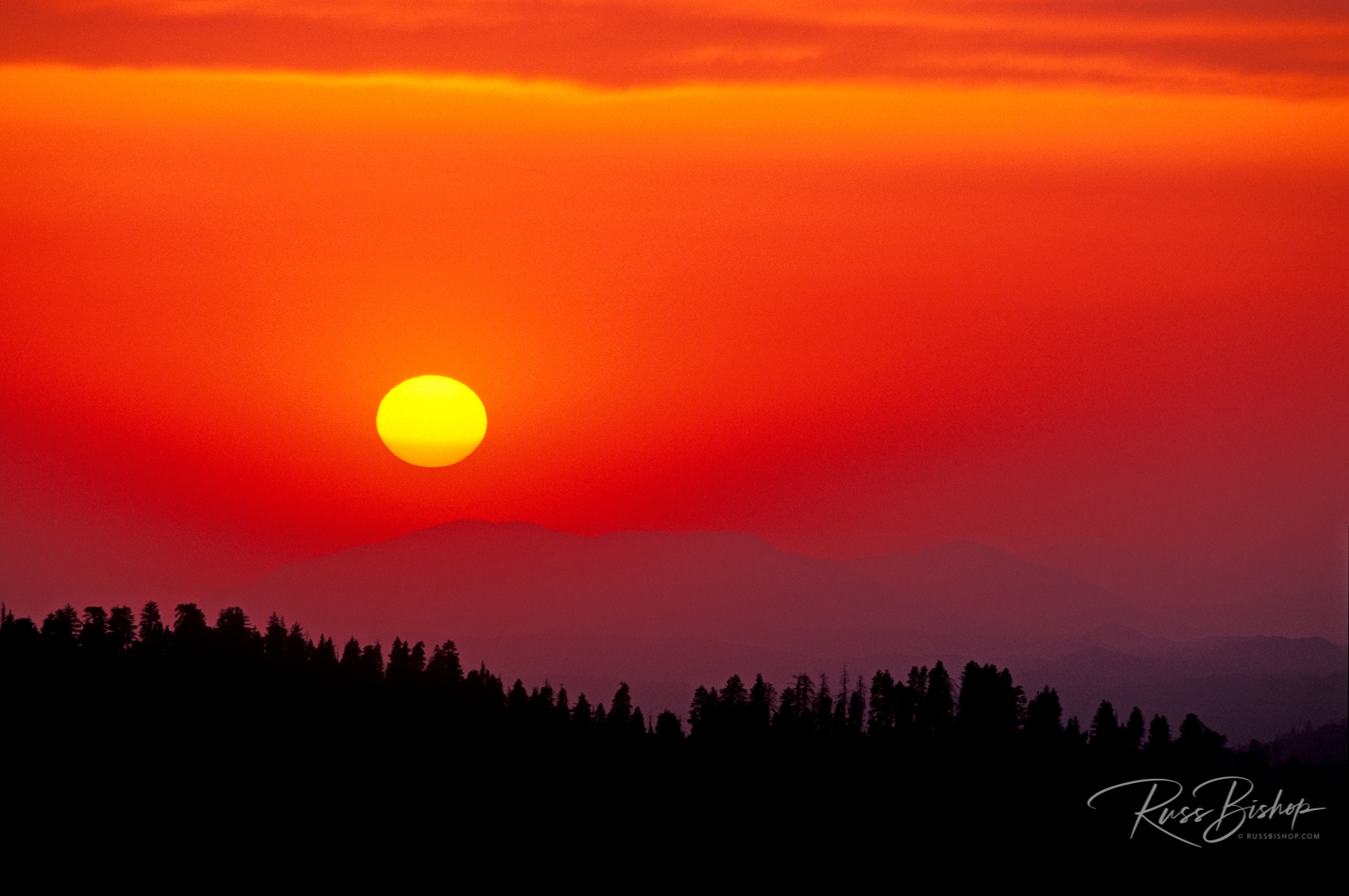
Welcome Summer Solstice! Sunset over the Sierra foothills from Moro Rock, Sequoia National Park, California
Sunset over the Sierra foothills from Moro Rock, Sequoia National Park, California

Welcome Summer Solstice! June 20th is the longest day of the year, and the official start of summer in the northern hemisphere.

Historically Midsummer’s Eve has been a celebration of the solstice dating back to ancient times. It was believed that mid-summer flowering plants had amazing healing powers when picked on this night, and huge bonfires were lit to protect against evil spirits thought to roam the earth when the sun turned southward again.

The word solstice comes from the Latin solstitium from sol (sun) and stitium (to stop), because it appears as if the sun stops its course at this point. The sun doesn’t rise precisely in the east during the event, but rises to the north of east and sets to the north of west creating a longer arc in the sky. The solstice occurs when the sun’s zenith is at its furthest point from the equator. During the event it reaches its northernmost point and the Earth’s North Pole tilts directly towards the sun, at about 23.5 degrees. It’s a good thing too, because without this small offset we would have no seasons!

This year the solstice occurs at 1:50PM (PDT – Pacific Daylight Time), and with nearly 15 hours of light it’s the perfect time to explore the great outdoors, have ample time for photography, and maybe even wrap up the day with a barbecue or a bit of stargazing.


©Russ Bishop/All Rights Reserved

World Oceans Day

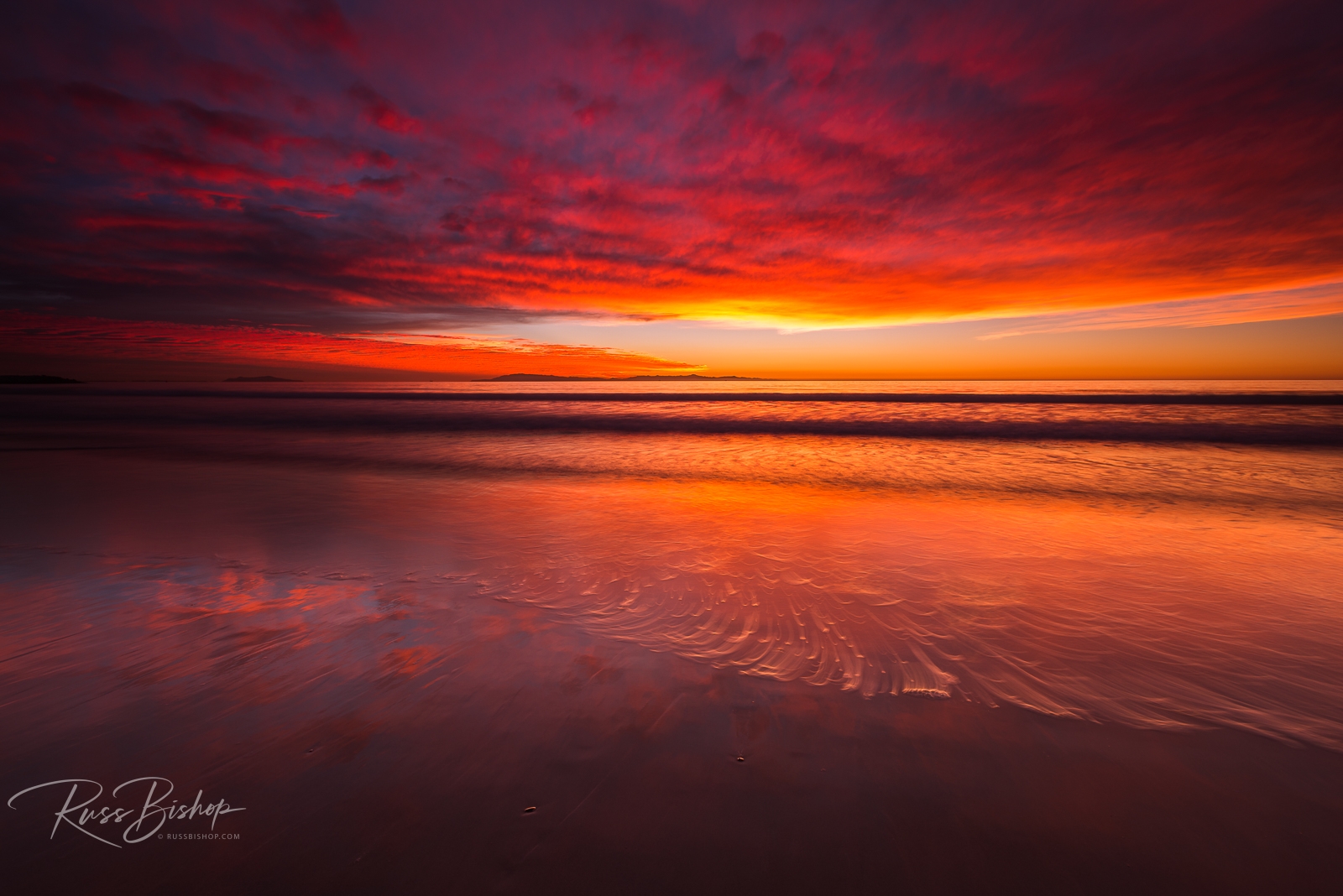
World Oceans Day. Sunset over the Channel Islands from Ventura State Beach, Ventura, California USA
Sunset over the Channel Islands from Ventura State Beach, Ventura, California

June 8th is World Oceans Day – a chance to celebrate the bodies of water that make up 70% of our planet and provide food, recreation and place to rejuvenate the spirit. As home to an estimated 230,000 marine species, our oceans are a vast wilderness with ecosystems critically linked with our own. Unfortunately many of the earth’s inhabitants never see or experience our oceans, yet our impact through pollution and over-fishing has taken its toll.

Organizations such as the The Ocean Project provide a great opportunity to get directly involved in protecting the future of our oceans through personal and community involvement. Working with zoos, aquariums, and conservation groups, they sponsor beach cleanups, educational programs, art contests, film festivals, sustainable seafood events, and other activities that help to raise consciousness of how our lives depend on the oceans and what we can do to keep them healthy long into the future.


©Russ Bishop/All Rights Reserved