Chasing Waterfalls

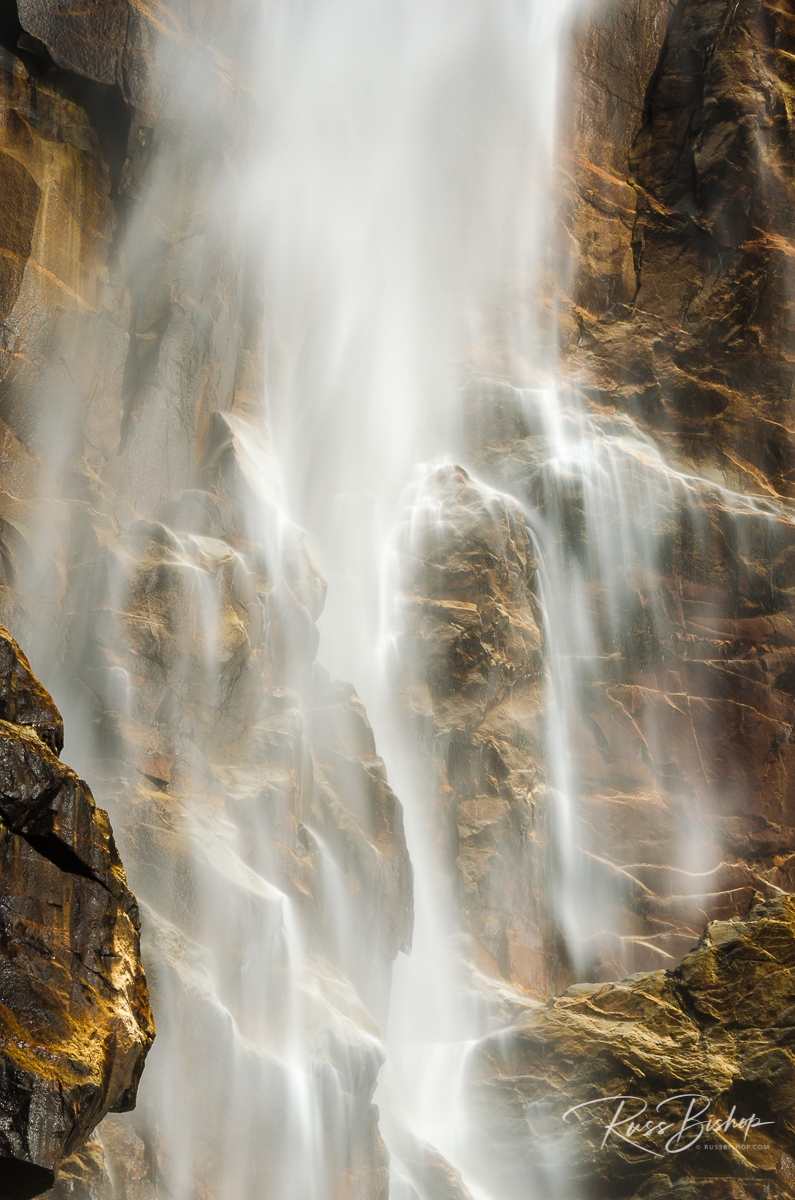
Chasing Waterfalls. Detail of Bridalveil Fall, Yosemite Valley, Yosemite National Park, California
Detail of Bridalveil Fall, Yosemite Valley, Yosemite National Park, California

Chasing Waterfalls. There’s something about flowing water that soothes the soul and sparks the imagination. Mesmerizing ripples on a lake, the fluid dynamics of an eddy as it dances over rocks in a stream, or the powerful force of a cascading waterfall. It’s poetry in motion – nature’s visual elixir.

Preserving these moments of natural movement on film or sensor is a tireless indulgence for the outdoor photographer. Varying shutter speeds and focal lengths can create dramatic landscapes or freeze intimate moments of light and form. And most impressive is the fact that no two images will ever be the same!

Learning to read the flow of the water becomes intuitive with experience and helps solidify the visual appeal of each frame. Waterfalls in particular are constantly changing their course as the wind shifts, and timing your exposure for the best flow can greatly reduce editing time when reviewing dozens of images.

As with all nature photography, time spent thoughtfully viewing a scene and carefully framing your composition is paramount. It will ensure that when the decisive moments arrive you’re able to capture the dancing waters at peak performance.


©Russ Bishop/All Rights Reserved
Fall Color Photography – Where’s The Light?

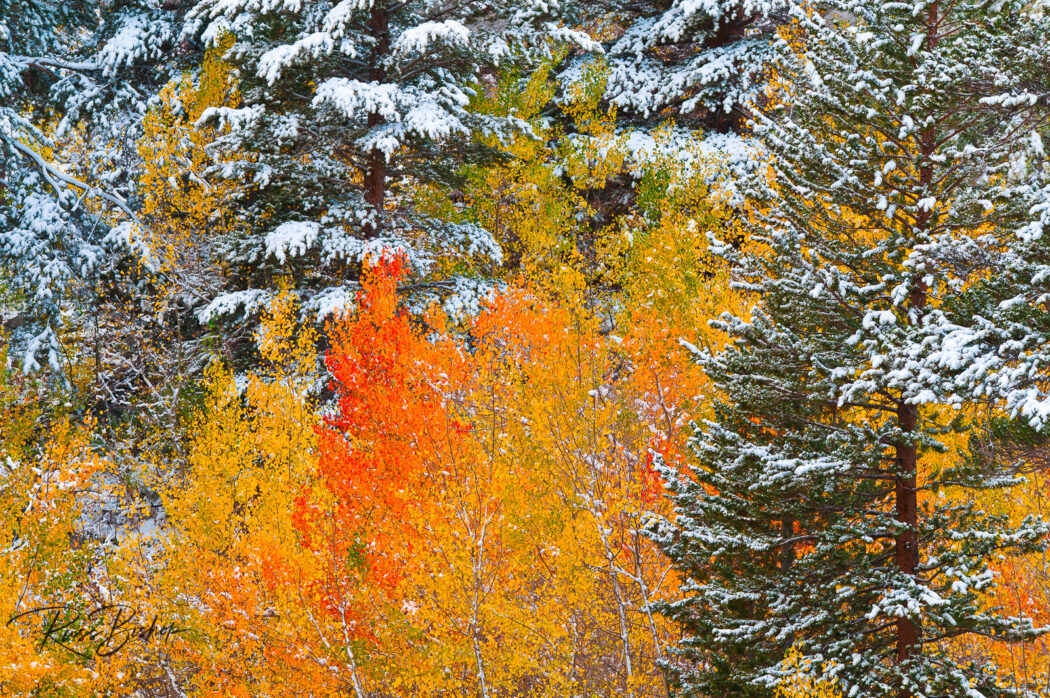
Fresh snow on fall aspens and pines, Inyo National Forest, California USA

Fall Color Photography – Where’s The Light? Successful fall color photography obviously starts with planning around the seasonal changing of the leaves (and this Fall Color Map can help), but once you’ve scouted your location there’s another key factor to consider.

Where and how the color happens is dependent upon elevation and temperature and no two years are ever the same. The higher mountains of the west begin in mid-September, eastern hardwoods in October, and the lower red-rock country of the southwest typically in early November. Once you’ve settled on a destination and found that great grove of trees the next step is to understand the light.

It might seem like the vibrant reds or yellows before you would be faithfully reproduced by your sensor no matter what time of day, but understanding the quality of the light can go along way towards guaranteeing your success. Using backlight or sidelight when the sun is low on the horizon and illuminates the leaves from behind creates a wonderful warm glow, especially when set against a dark background.

Softlight is another great light source (illustrated above) that occurs when the sky is overcast and acts like a giant studio softbox. Under these conditions, it doesn’t matter what time of day you’re shooting as the shadows are eliminated and the uniform light both reduces the contrast while intensifying the colors.

So when the scene presents itself, consider the light and framing, and don’t be too quick to trip the shutter. A slight change in position or a little patience can often make the difference between a good image and a great one.


©Russ Bishop/All Rights Reserved

World Water Day

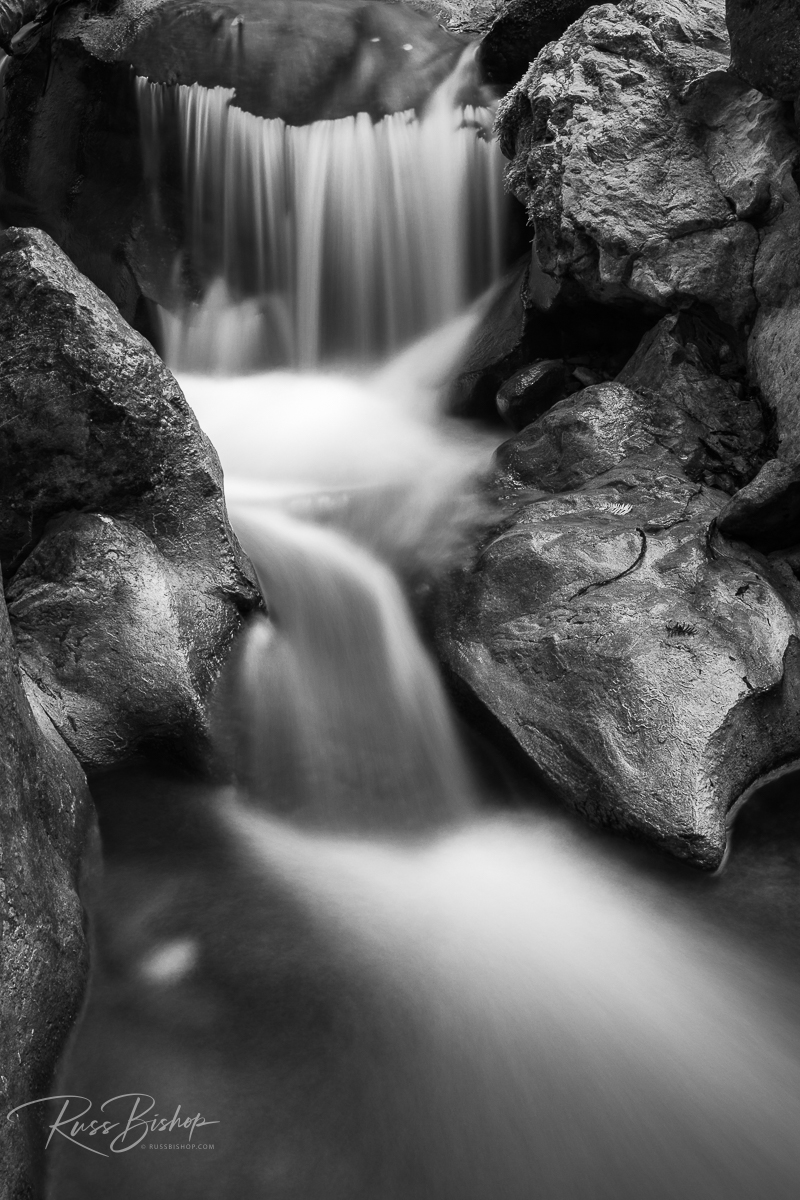
World Water Day ~ Cascade on Hare Creek, Limekiln State Park, Big Sur, California
Cascade on Hare Creek, Limekiln State Park, Big Sur, California

March 22nd is World Water Day – a time to celebrate the spring season and our most precious natural resource. It’s easy to take for granted when we’ve had a wet winter and a bottle or tap is always within arms reach,  but we share the planet with nearly 1 billion people who don’t have access to safe clean drinking water or sanitation. That’s a hard fact to swallow when you consider that most of the earth’s surface is water.

The United Nations first began the celebration back in 1993 and it’s grown significantly over the years as a platform for education and public support. Each year, one of the many UN agencies involved in water issues spearheads a campaign to promote and coordinate international activities. The theme of World Water Day 2024 is ‘Water for Peace’, and focuses on fostering harmony, generating prosperity and building resilience to shared challenges.

On the world front, there are many ways to help those less fortunate than ourselves, and at home simple conservation can have a profound effect. I’m proud to be involved with Photographers for Good and the Plus One Collection, which has use its resources to support The Samburu Project building wells in Kenya. I can think of no greater reward than inspiring others to enjoy the beauty of nature, while helping to provide life’s most basic necessity to those in need.

Here in the west this years winter storms have helped to offset years of drought, but whatever the conditions at home we should always remember that water is a precious commodity essential for life. So enjoy that drink and spread the word throughout the year (and don’t forget to turn off the tap). 


©Russ Bishop/All Rights Reserved