Simplify, Simplify

Simplify, Simplify. Afternoon haze over the Sierra Nevada foothills from Moro Rock, Sequoia National Park, California
Afternoon haze over the Sierra Nevada foothills, Sequoia National Park, California

Simplify, Simplify. Thoreau’s famous words apply as much to successful landscape photography as life itself. Often when we first approach a classic scene we’re inclined to capture as much of it as possible in hopes that nothing is left out.

Many times a wide-angle view is the best perspective for those grand vistas, but it needs to be carefully composed in order to guide the viewer’s eye through the frame. Problems arise when there is too much information and the image becomes cluttered and confusing. That’s the time to go long and distill the key elements down to their essence.

As with taking on too much in our lives and missing the forest for the trees, sometimes we need to simplify the scene to make it stronger. By carefully cropping out distracting elements and focusing on light and form we can create images with  more visual impact that connect with our audience on a deeper level.


©Russ Bishop/All Rights Reserved
World Oceans Day

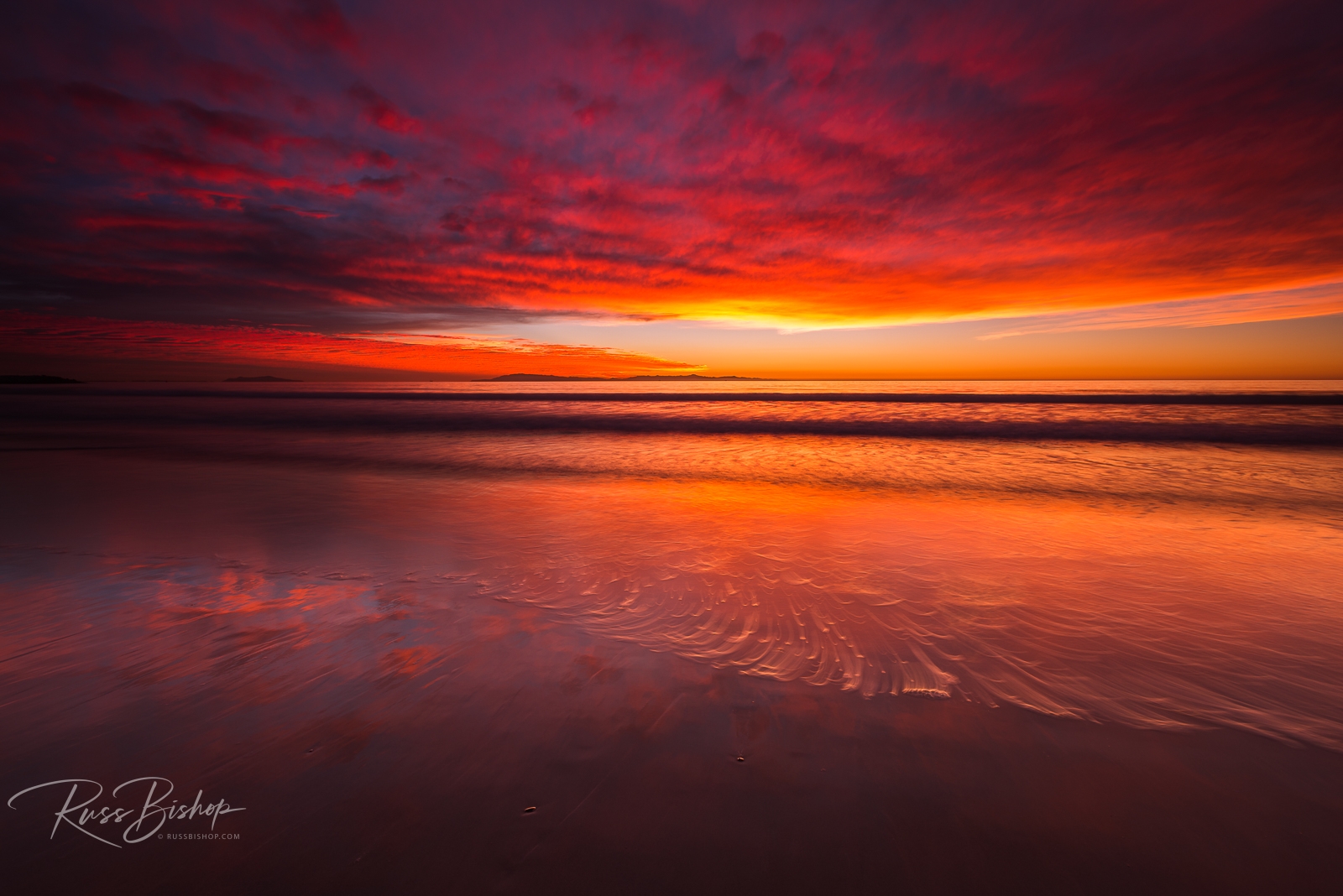
World Oceans Day. Sunset over the Channel Islands from Ventura State Beach, Ventura, California USA
Sunset over the Channel Islands from Ventura State Beach, Ventura, California

June 8th is World Oceans Day – a chance to celebrate the bodies of water that make up 70% of our planet and provide food, recreation and place to rejuvenate the spirit. As home to an estimated 230,000 marine species, our oceans are a vast wilderness with ecosystems critically linked with our own. Unfortunately many of the earth’s inhabitants never see or experience our oceans, yet our impact through pollution and over-fishing has taken its toll.

Organizations such as the The Ocean Project provide a great opportunity to get directly involved in protecting the future of our oceans through personal and community involvement. Working with zoos, aquariums, and conservation groups, they sponsor beach cleanups, educational programs, art contests, film festivals, sustainable seafood events, and other activities that help to raise consciousness of how our lives depend on the oceans and what we can do to keep them healthy long into the future.


©Russ Bishop/All Rights Reserved

Visual Drama through Leading Lines

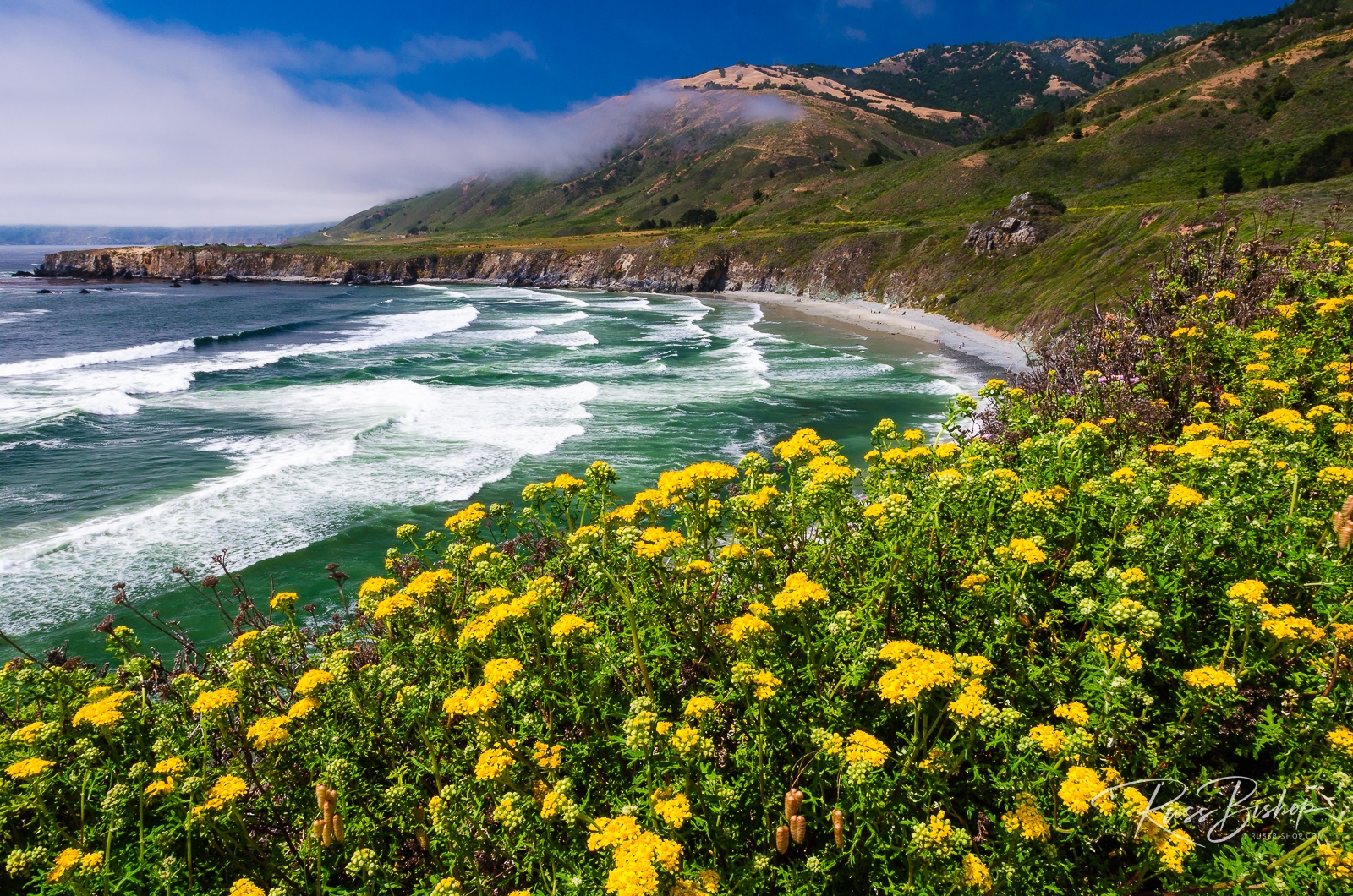
Visual Drama through Leading Lines. Wildflowers above Sand Dollar Beach, Los Padres National Forest, Big Sur, California
Wildflowers above Sand Dollar Beach, Los Padres National Forest, Big Sur, California

There are many ways to create stronger compositions in landscape photography, but one of the easiest and most effective techniques is the use of leading lines. Dynamic lighting and great subject matter are the desired cornerstones of any great composition, but even when these elements are less than exceptional there is still a way to create an emotional connection with your audience. Draw them into the scene with leading lines.

The wide-angle lens (anything 24mm and wider) has numerous benefits for the landscape photographer from incredible depth of field and relatively small size to a viewing angle that really captures the big picture. But all that visual information can be a bit overwhelming without some direction.

Using the rule of thirds and carefully composing to include natural lines such as a shoreline, forest edge, stream, or mountain ridge can lead your viewers into the frame or guide them to a specific part of the image. Diagonal lines in particular create visual tension, which is a sure-fire way to add drama to your images and create an emotional response with your audience.

Next time you’re out photographing the landscape, take a moment before you trip the shutter to make sure the elements within the frame are being used to their best advantage. Think of yourself as a director guiding your audience rather than just a photographer documenting the scene and you’ll be rewarded with stronger, more exciting images.


©Russ Bishop/All Rights Reserved